
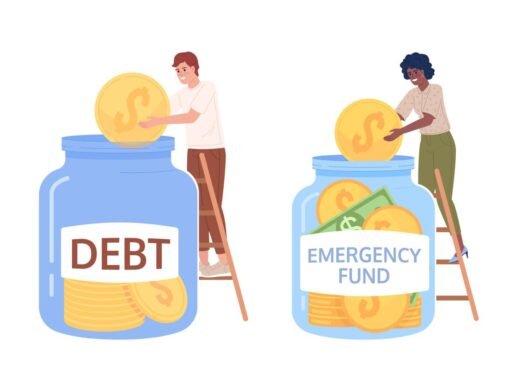
Living on a low income while dealing with debt can feel overwhelming. Every month, bills pile up, interest grows, and it may seem impossible to make real progress. However, the truth is simple: you can pay off debt fast on a low income if you follow the right strategy.
According to the Consumer Financial Protection Bureau, creating a clear plan and staying consistent are the most important steps toward becoming debt-free.
In this complete guide, you’ll learn practical, realistic, and proven methods to reduce debt faster—even if your income is limited.
Why Paying Off Debt Feels Hard on a Low Income
Before solving the problem, you need to understand it. When your income is low, most of your money goes to essentials like rent, food, and transportation. This leaves little room for extra debt payments.
Additionally, high-interest rates make things worse. As explained by Investopedia, interest can significantly slow down your progress if not managed properly.
However, despite these challenges, there are effective ways to move forward.
Step 1: Understand Your Debt to Pay Off Debt Fast on a Low Income
You cannot fix what you don’t measure. Start by listing all your debts:
- Total balance
- Interest rate
- Minimum monthly payment
This clarity helps you build a realistic plan instead of guessing.
Step 2: Choose a Debt Payoff Strategy
Snowball Method
Focus on the smallest debt first. Once it’s paid, move to the next. This method builds motivation quickly.
Avalanche Method
Pay off the highest interest debt first. This saves more money in the long term.
Both methods work. The key is consistency.
Step 3:Build a Budget to Pay Off Debt Fast on a Low Income
When income is low, your budget must be simple and strict.
- Essentials only (rent, food, bills)
- Minimum lifestyle expenses
- Extra money goes to debt
If you need help, check this guide on how to build a monthly budget that actually works.
Step 4: Cut Expenses Smartly
You don’t need extreme cuts. Instead, focus on smart adjustments.
For example, learning how to stop overspending on food delivery apps can save a surprising amount of money.
You can also reduce bills by following this guide on reducing monthly bills.
Step 5: Increase Your Income (Even Slightly)
Cutting expenses helps, but increasing income accelerates everything.
You don’t need a big job. Even small side income can make a huge difference. For example, you can explore ways to make money online to boost your earnings.
Extra $100–$300 monthly can significantly speed up debt repayment.
Step 6: Pay More Than the Minimum
Paying only the minimum keeps you stuck for years.
Instead, add any extra amount—even small payments reduce interest over time.
Step 7: Negotiate or Lower Your Interest Rates
Many people don’t realize they can negotiate.
- Call your bank
- Ask for lower rates
- Request hardship programs
Lower interest = faster progress.
Step 8: Use the “No New Debt” Rule
This is critical. While paying off debt, avoid adding new debt.
- Stop using credit cards
- Use cash or debit
- Control spending habits
Step 9: Build a Small Emergency Fund
Even with low income, save a small emergency fund ($500–$1,000).
This prevents setbacks when unexpected expenses happen.
Step 10: Stay Consistent (Most Important)
Consistency beats everything. Small actions every month lead to big results over time.
Real-Life Example
Let’s say:
- Income: $2,000/month
- Debt: $4,000
- Extra money: $200/month
By applying the strategies above, you can reduce your debt significantly within months.
Common Mistakes to Avoid
- Ignoring interest rates
- Not tracking spending
- Paying minimum only
- Stopping due to slow progress
Mindset Shift
Instead of feeling stuck, focus on progress. Every payment brings you closer to financial freedom.
30-Day Action Plan
Week 1:
List debts and track expenses
Week 2:
Choose strategy and budget
Week 3:
Cut expenses and increase income
Week 4:
Review progress and adjust
Advanced Tips to Pay Off Debt Even Faster
If you want to accelerate your progress further, consider these advanced strategies:
- Use cashback rewards to pay off debt
- Sell unused items at home
- Use windfalls (bonuses, gifts) toward debt
- Take short-term side gigs
Each extra dollar counts.
How Long Will It Take?
The timeline depends on your income, debt size, and consistency. However, most people see noticeable progress within 3–6 months.
The key is staying committed.
Long-Term Financial Strategy
After paying off your debt, continue saving and building financial security. Focus on:
- Emergency fund (3–6 months)
- Investing
- Multiple income streams
This ensures you never fall back into debt again.
Final Thoughts on Pay Off Debt Fast on a Low Income
Learning how to pay off debt fast on a low income is not about having more money—it’s about using what you have wisely.
You don’t need perfection. You need a plan, discipline, and consistency.
Start today, take small steps, and over time, you’ll achieve financial freedom.