
💡 Introduction
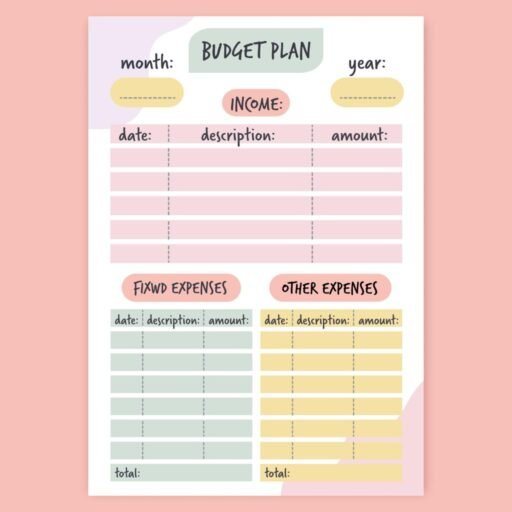
Learning how to budget with variable income can feel overwhelming at first. After all, when your income changes every month, traditional budgeting methods simply don’t work.
However, the truth is simple:
👉 You don’t need a fixed income to control your money—you need a flexible system.
In this guide, you’ll learn exactly how to manage your finances, even if your income is unpredictable. More importantly, you’ll discover a step-by-step method that works in real life—not just on paper.
📊 What Is Variable Income?
Variable income means your earnings change from month to month. This is common for:
- Freelancers
- Commission-based jobs
- Side hustlers
- Business owners
Unlike a fixed salary, you might earn more one month and less the next. Because of this, you need a different budgeting strategy.
⚠️ Why Traditional Budgeting Fails
Most budgeting advice assumes a fixed paycheck. For example:
- Set fixed expenses
- Save a fixed percentage
- Spend the rest
Unfortunately, this approach breaks when your income fluctuates.
Instead, you need a system that adapts—not one that restricts.
🧠 Step 1: Calculate Your Average Monthly Income
The first step to budget with variable income is finding your baseline.
👉 Add your income from the last 6 months
👉 Divide by 6
This gives you a realistic average.
💡 Pro Tip:
Always use your lowest earning month as a safety baseline when planning expenses.
💰 Step 2: Build a “Bare Minimum Budget”
Instead of budgeting everything, start with essentials only:
Needs (Must Pay)
- Rent
- Food
- Utilities
- Transportation
This is your survival budget.
Once you cover this, everything else becomes flexible.
🔄 Step 3: Use a Priority-Based Budget System
Instead of fixed categories, use priorities:
- Essentials
- Savings
- Debt
- Lifestyle
Whenever money comes in, you assign it based on priority.
🏦 Step 4: Create a Buffer Fund
A buffer is your best weapon.
👉 Save at least 1–3 months of expenses
👉 Use it during low-income months
This smooths out income fluctuations and reduces stress.
📅 Step 5: Pay Yourself a “Stable Salary”
This is a powerful trick.
Instead of spending everything you earn:
- Put all income into one account
- Pay yourself a fixed amount monthly
This creates consistency—even with inconsistent income.
🚫 Common Mistakes to Avoid
When trying to budget with variable income, many people make these mistakes:
- ❌ Spending more in high-income months
- ❌ Ignoring low-income periods
- ❌ Not saving enough
- ❌ Relying on credit cards
Avoid these, and you’re already ahead of most people.
🛠️ Tools That Help
You can make budgeting easier using tools like:
- YNAB (You Need A Budget)
- Mint
- Google Sheets
👉 These tools help you track income and plan smarter.
🔗 Helpful External Resource
For deeper financial basics, check out:
🔗 Suggested Internal Links (add from your site)
- Best Budgeting Apps 2026
- Save Money Without Sacrificing Essentials
- How to Start Saving Money With No Income
🚀 Final Thoughts
Learning how to budget with variable income is not about perfection—it’s about control.
At first, it may feel confusing. However, once you apply these steps, you’ll notice something powerful:
👉 You stop reacting to money… and start controlling it.
So start today. Even small steps will make a big difference over time.