
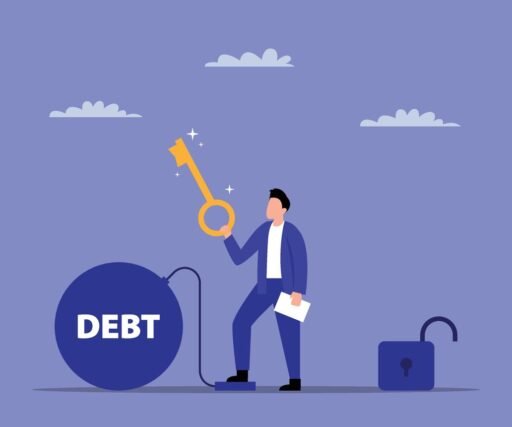
Becoming debt-free is a huge achievement. After months—or even years—of effort, discipline, and sacrifice, you’ve finally paid off your debt. However, a new challenge begins: how to avoid getting into debt again after paying it off.
In fact, many people celebrate paying off debt, only to fall back into it within a year. According to the Consumer Financial Protection Bureau, maintaining long-term financial stability requires more than just paying off debt—it requires building strong habits.
Therefore, in this complete guide, you’ll learn exactly how to stay debt-free, protect your finances, and build a stable future.
Why People Fall Back Into Debt
First of all, before learning how to avoid getting into debt again after paying it off, it’s important to understand why it happens.
- Lack of emergency savings
- Poor spending habits
- Overuse of credit cards
- No financial plan
- Emotional spending
For example, many people rely on credit cards when unexpected expenses appear. As a result, they quickly fall back into debt.
As explained by Investopedia, debt often comes from behavior, not just income.
Build a Strong Emergency Fund
Next, one of the most important steps is building an emergency fund.
This fund protects you from unexpected expenses such as:
- Car repairs
- Medical bills
- Job loss
Ideally, you should aim for:
- $500 (starter goal)
- $1,000 (basic safety)
- 3–6 months of expenses (long-term goal)
Without this, you will likely depend on debt again.
Create a Realistic Budget
In addition, creating a budget helps you control your money.
If you need help, check this guide on Best Budgeting Apps 2026 That Actually Save You Money.
Basically, a good budget includes:
- Essentials
- Savings
- Personal spending
As a result, you gain full control over your finances.
Use Credit Cards Carefully
On the other hand, credit cards can be risky if not used properly.
To avoid falling back into debt:
- Use credit cards only when necessary
- Always pay the full balance
- Avoid impulse purchases
Otherwise, you may return to debt quickly.
Track Your Spending Regularly
At the same time, tracking your spending keeps you aware.
- Use apps
- Review weekly
- Identify unnecessary costs
Similarly, this helps prevent financial mistakes before they happen.
Avoid Lifestyle Inflation
After that, avoid increasing your spending after paying off debt.
For instance, many people upgrade their lifestyle too quickly. However, this can destroy your progress.
Instead, focus on saving and long-term goals.
Save Before You Spend
Another important rule is saving first.
In other words, treat savings as a fixed expense.
For example, set automatic transfers every month.
Set Clear Financial Goals
In addition, goals keep you focused.
- Save $5,000
- Invest regularly
- Build financial security
As a result, you reduce unnecessary spending.
Increase Your Income
At the same time, increasing your income helps you stay debt-free.
You can explore Save Money While Paying Off Credit Card Debt ( 2026) to boost your income.
Even small increases can make a big difference.
Control Emotional Spending
However, emotions often drive spending.
To control this:
- Pause before buying
- Ask if it’s necessary
- Delay decisions
As a result, you avoid unnecessary purchases.
Keep a Balanced Lifestyle
On the other hand, extreme restrictions can fail.
Therefore, allow a small budget for enjoyment.
This way, your plan becomes sustainable.
Review Your Finances Monthly
Finally, review your finances every month.
- Check spending
- Track savings
- Adjust your plan
In conclusion, regular reviews keep you on track.
Common Mistakes to Avoid
- Using credit cards too soon
- Ignoring budgets
- No emergency fund
- Overspending
Clearly, avoiding these mistakes protects your progress.
30-Day Plan to Stay Debt-Free
Week 1: Build a simple budget and organize your finances.
Next, in Week 2: Track your spending carefully to understand your habits.
Then, in Week 3: Cut unnecessary expenses and focus on essential needs.
Finally, in Week 4: Review your progress and improve your plan.
Step by step, this plan builds long-term success.
Final Thoughts
Ultimately, learning how to avoid getting into debt again after paying it off is about discipline and smart habits.
In the end, you don’t need perfection—you need consistency.
So, start today and protect your financial future.