
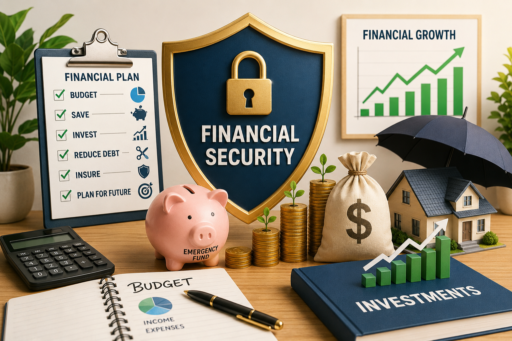
Financial uncertainty is something that affects millions of people around the world. Unexpected expenses, economic downturns, job loss, rising living costs, inflation, debt, and emergencies can quickly disrupt even the most carefully planned budgets. As a result, many individuals are actively searching for the best ways to increase financial security and create a more stable future.
Financial security is not about becoming wealthy overnight. Instead, it involves building a solid financial foundation that allows you to handle challenges, achieve important goals, and maintain peace of mind regardless of economic conditions. People who focus on increasing financial security are often better prepared for emergencies, less stressed about money, and more confident in their long-term financial future.
Fortunately, improving financial security does not require a high income or complicated financial strategies. Consistent habits, smart planning, disciplined saving, and thoughtful investing can make a significant difference over time.
In this guide, you’ll discover the best ways to increase financial security, protect your finances, reduce risk, and build long-term stability that can support your goals for years to come.
What Is Financial Security?
Financial security means having enough resources, savings, income, and financial stability to comfortably meet your current needs while preparing for future goals and unexpected events.
Someone with strong financial security typically:
- Pays bills on time.
- Maintains emergency savings.
- Manages debt responsibly.
- Has reliable income sources.
- Saves consistently.
- Invests for the future.
- Feels confident about long-term finances.
Financial security does not mean eliminating all financial risks. Instead, it means creating enough stability and preparation to handle challenges without major financial disruption.
Why Financial Security Matters
Many people focus on increasing income but overlook the importance of financial security. While earning more money can certainly help, financial security is ultimately built through financial habits and planning.
Benefits of financial security include:
- Reduced financial stress.
- Greater peace of mind.
- Improved decision-making.
- Better protection against emergencies.
- More flexibility in career choices.
- Greater ability to invest.
- Long-term wealth-building opportunities.
- Increased confidence during economic uncertainty.
Financial security creates a foundation that supports both present and future financial goals.
1. Build a Strong Emergency Fund
One of the most effective ways to increase financial security is establishing a dedicated emergency fund.
Unexpected expenses happen regularly. Medical bills, home repairs, vehicle breakdowns, job loss, and family emergencies can quickly create financial strain.
An emergency fund provides a financial cushion that helps prevent these situations from becoming major crises.
Most financial experts recommend saving at least three to six months of living expenses in an easily accessible account.
Benefits include:
- Reduced reliance on credit cards.
- Protection against income interruptions.
- Greater financial confidence.
- Less stress during emergencies.
Related Article: How to Build an Emergency Fund From Scratch
2. Create and Follow a Realistic Budget
A budget remains one of the most powerful tools for improving financial security.
Without a budget, it’s difficult to understand where money is going and identify opportunities for improvement.
An effective budget should:
- Track income.
- Monitor expenses.
- Identify unnecessary spending.
- Support savings goals.
- Prevent overspending.
The goal is not to restrict every purchase but to ensure your spending aligns with your priorities.
Regular budgeting often reveals opportunities to redirect money toward savings, debt reduction, and investing.
3. Eliminate High-Interest Debt
High-interest debt can significantly reduce financial security.
Credit card balances, personal loans, and other expensive debt obligations consume income that could otherwise support savings and investments.
Consider prioritizing:
- Credit card debt.
- Payday loans.
- High-interest personal loans.
- Other costly obligations.
As debt decreases, cash flow improves and financial flexibility increases.
Reducing debt is often one of the fastest ways to strengthen your financial position.
4. Increase Your Savings Rate
Saving consistently plays a critical role in increasing financial security.
Even small contributions accumulate significantly over time.
Strategies include:
- Automatic savings transfers.
- Saving part of every paycheck.
- Redirecting bonuses to savings.
- Reducing unnecessary subscriptions.
- Limiting impulse purchases.
Many financially secure individuals prioritize saving before spending rather than saving whatever remains at the end of the month. Consistently following this approach is one of the most effective ways to Increase Financial Security and achieve long-term financial stability.
5. Diversify Your Income Sources
Depending entirely on a single income source can increase financial risk.
If that source disappears unexpectedly, financial stability may be threatened.
Additional income sources may include:
- Freelancing.
- Consulting.
- Online businesses.
- Dividend investments.
- Rental income.
- Digital products.
- Affiliate marketing.
Multiple income streams can provide valuable protection during uncertain times.
6. Develop Better Money Habits
Financial security often depends more on habits than income level.
Consistent financial habits can gradually transform financial situations over time.
Examples include:
- Tracking expenses.
- Saving regularly.
- Avoiding unnecessary debt.
- Investing consistently.
- Reviewing financial goals.
- Making intentional spending decisions.
Small improvements repeated consistently often produce significant long-term results.
Related Article: How to Build Better Money Habits
7. Invest for Long-Term Growth
While saving is important, investing helps money grow faster than traditional savings accounts over long periods.
Investing supports:
- Retirement planning.
- Wealth building.
- Financial independence.
- Protection against inflation.
Common investment options include:
- Index funds.
- ETFs.
- Dividend stocks.
- Bonds.
- Real estate investments.
Investing should align with your goals, risk tolerance, and time horizon.
For additional information about financial security planning, educational resources from the Consumer Financial Protection Bureau can help investors strengthen long-term financial stability.
8. Protect Your Income
Your income is one of your most valuable financial assets.
Protecting it can greatly improve financial security.
Strategies include:
- Developing professional skills.
- Continuing education.
- Networking.
- Maintaining employability.
- Building emergency savings.
The stronger your earning potential, the greater your financial resilience. Higher earning potential can help you Increase Financial Security by creating more opportunities for saving, investing, and achieving important financial goals.
9. Maintain Appropriate Insurance Coverage
Insurance plays an important role in protecting financial security.
Unexpected events can generate substantial costs that may otherwise damage savings and investments.
Depending on your situation, useful coverage may include:
- Health insurance.
- Auto insurance.
- Home insurance.
- Life insurance.
- Disability insurance.
Insurance helps transfer certain financial risks away from your personal finances.
10. Avoid Lifestyle Inflation
Lifestyle inflation occurs when spending increases every time income rises.
While occasional lifestyle improvements are reasonable, excessive spending can slow progress toward financial security.
Instead of spending every raise, consider:
- Increasing savings.
- Paying off debt.
- Investing more.
- Building emergency reserves.
This approach accelerates financial progress while maintaining flexibility.
11. Build a Long-Term Financial Plan
Financial security becomes easier to achieve when you have a long-term plan. Without a roadmap, it is easy to lose focus and make short-term decisions that hurt future progress.
A long-term financial plan should include:
- Retirement goals.
- Savings targets.
- Debt reduction plans.
- Investment objectives.
- Major life expenses.
- Emergency preparedness.
Reviewing your plan regularly helps ensure your actions remain aligned with your goals.
12. Continuously Improve Financial Knowledge
Financial education is one of the most valuable investments you can make. The more you understand budgeting, saving, investing, taxes, debt management, and wealth building, the better financial decisions you can make.
Learning can come from:
- Books.
- Podcasts.
- Financial websites.
- Educational courses.
- Industry experts.
Financially secure individuals often dedicate time to improving their knowledge and staying informed about personal finance principles. The more you understand personal finance, the easier it becomes to Increase Financial Security and achieve long-term financial stability.
13. Set Clear Financial Goals
Specific goals provide direction and motivation.
Instead of saying:
“I want to improve my finances.”
Try:
“I want to save $20,000 for a home down payment within four years.”
Clear goals help prioritize spending, saving, and investing decisions.
Examples include:
- Saving for retirement.
- Paying off debt.
- Building emergency reserves.
- Funding education.
- Achieving financial independence.
Goals make financial progress measurable and easier to track.
14. Protect Your Assets
Increasing financial security also means protecting the assets you have already built.
This includes:
- Securing financial accounts.
- Using strong passwords.
- Monitoring credit reports.
- Protecting sensitive information.
- Maintaining proper insurance coverage.
Asset protection reduces the likelihood of financial setbacks caused by fraud, theft, or unexpected events.
15. Prepare for Retirement Early
Retirement planning is one of the most important components of financial security.
The earlier you begin, the more time your investments have to grow.
Benefits of early retirement planning include:
- Greater compound growth.
- Lower monthly contribution requirements.
- More flexibility later in life.
- Reduced financial stress.
Even modest contributions can grow substantially over multiple decades.
Related Article: Best Retirement Planning Basics for Beginners
16. Monitor Your Financial Progress Regularly
Tracking progress helps ensure you remain on course toward financial security.
Important metrics may include:
- Savings balance.
- Emergency fund growth.
- Debt reduction progress.
- Investment portfolio value.
- Net worth.
Monthly or quarterly reviews can help identify areas requiring improvement while reinforcing positive financial habits.
17. Build Wealth Slowly and Consistently
Many people search for shortcuts to financial success. Unfortunately, most get-rich-quick schemes fail to deliver sustainable results.
Financial security is usually built through consistent effort over time.
This includes:
- Saving regularly.
- Investing consistently.
- Managing debt responsibly.
- Living below your means.
- Maintaining financial discipline.
Slow and steady progress often creates stronger financial outcomes than chasing risky opportunities. Over time, this disciplined approach can significantly Increase Financial Security and support long-term wealth-building goals.
Related Article: Best Wealth-Building Habits That Actually Work
Common Mistakes That Reduce Financial Security
Ignoring Emergency Savings
Without emergency reserves, even minor financial setbacks can create major difficulties.
Overspending
Spending more than you earn prevents wealth accumulation and increases financial stress.
Relying on Debt
Excessive debt limits financial flexibility and slows progress toward long-term goals.
Delaying Investing
Waiting too long to invest reduces the benefits of compound growth.
Failing to Plan
Financial success rarely happens by accident. Lack of planning often leads to missed opportunities and poor financial decisions.
Ignoring Retirement
Many people underestimate the amount of money needed for retirement, leading to future financial challenges.
Signs You Are Improving Financial Security
Financial security develops gradually. Positive indicators include:
- Growing savings balances.
- Reduced debt.
- Improved cash flow.
- Consistent investing.
- Lower financial stress.
- Increasing net worth.
- Better financial confidence.
Recognizing these signs can help maintain motivation and reinforce positive habits.
Financial Security Is a Long-Term Journey
One of the biggest misconceptions about financial security is that it can be achieved quickly. In reality, financial security is built through thousands of small decisions made consistently over many years.
Every budget review, savings contribution, debt payment, and investment adds to your financial foundation. Over time, these actions create stability, flexibility, and confidence.
The goal is not perfection. The goal is progress.
Even if your current financial situation is not ideal, consistent improvements can dramatically strengthen your future financial position.
Final Thoughts
Understanding the best ways to increase financial security can help you build a stronger financial future regardless of your current income level. By creating an emergency fund, reducing debt, increasing savings, investing consistently, protecting your income, and maintaining disciplined financial habits, you can significantly improve long-term stability.
Financial security is not about achieving instant wealth. It is about creating a reliable foundation that supports your goals, protects you during difficult times, and provides confidence in your future. The earlier you begin implementing these strategies, the more time you have to benefit from their long-term impact.
Remember that every positive financial decision contributes to greater security. Small actions repeated consistently often become the foundation for lasting financial success.