
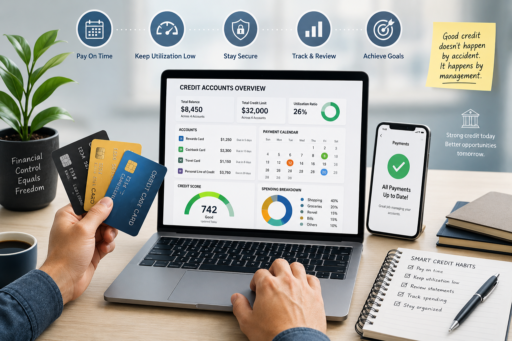
Managing multiple credit accounts can be a powerful financial strategy when handled correctly. Many consumers begin with a single credit card and gradually add additional accounts over time, including rewards cards, store cards, personal lines of credit, auto loans, and other financial products. While having access to multiple credit accounts can provide flexibility, convenience, and improved borrowing opportunities, it can also create challenges if not managed properly.
One of the biggest concerns for many consumers is staying organized. Missing a payment, exceeding a credit limit, or forgetting about an inactive account can negatively impact financial health. Fortunately, with the right systems and habits, managing several accounts becomes much easier and can even help strengthen a person’s overall credit profile.
Learning the best ways to manage multiple credit accounts allows individuals to maintain control over their finances while maximizing the benefits that credit can provide. Whether you currently have two accounts or ten, building a structured management system can reduce stress and improve long-term financial stability.
Why People Have Multiple Credit Accounts
There are many legitimate reasons for maintaining more than one credit account. Different accounts often serve different purposes. Some people use one card for daily expenses, another for travel rewards, and another for online purchases. Others may have loans, lines of credit, or financing accounts that contribute to their overall credit history.
Having multiple accounts can also improve credit utilization ratios. Instead of placing all spending on a single card, consumers can spread purchases across several accounts, potentially keeping utilization lower on each individual account.
Additionally, maintaining older accounts may help extend the average age of credit history, which can contribute positively to credit scoring models over time.
Create a Centralized Account Tracking System
The foundation of successful credit management starts with organization. Individuals with multiple accounts should create a centralized tracking system that includes all account details in one place.
This system may include:
- Account names
- Payment due dates
- Credit limits
- Current balances
- Interest rates
- Reward program information
- Account login details stored securely
Many people use spreadsheets, budgeting apps, or financial dashboards to track this information. The specific tool matters less than maintaining accurate and up-to-date records.
Without a centralized system, it becomes easier to overlook important details, especially when several accounts are involved.
Automate Payments Whenever Possible
One of the most effective ways to manage multiple credit accounts is through payment automation. Setting up automatic payments helps reduce the risk of late payments, which can damage credit scores and result in unnecessary fees.
Consumers may choose from several automation strategies:
- Automatic minimum payments
- Automatic full balance payments
- Scheduled manual payments
- Partial automatic payments combined with manual adjustments
Automation creates consistency and reduces the chance of human error. Even highly organized individuals can occasionally forget a due date during busy periods.
For additional protection, many people set calendar reminders several days before payment deadlines.
Monitor Credit Utilization Across All Accounts
Credit utilization is one of the most important factors affecting credit scores. It represents the percentage of available credit currently being used.
When managing multiple accounts, it is important to monitor both individual account utilization and total utilization across all accounts.
For example, suppose a person has:
- Card A: $5,000 limit
- Card B: $5,000 limit
- Card C: $10,000 limit
The total available credit equals $20,000. If total balances equal $2,000, overall utilization remains at 10%, which is generally considered healthy.
Maintaining lower utilization often supports stronger credit profiles while providing lenders with confidence in the borrower’s financial management skills.
Use Different Accounts for Specific Purposes
Many financially organized individuals assign specific roles to each account. This simple strategy reduces confusion and makes spending easier to track.
Examples include:
- One card for groceries
- One card for travel expenses
- One card for recurring subscriptions
- One card for business-related spending
- One card for emergency expenses
Separating spending categories can simplify budgeting and make monthly reviews more efficient.
Consumers often find it easier to identify unusual transactions when accounts have clearly defined purposes, making it easier to manage multiple credit accounts and maintain better financial organization.
Review Statements Every Month
Even when payments are automated, reviewing statements remains essential. Monthly statement reviews help identify:
- Unauthorized transactions
- Billing errors
- Unexpected fees
- Fraudulent activity
- Subscription increases
Many financial issues begin as small discrepancies that go unnoticed for months. A short monthly review session can help prevent larger problems from developing later.
Regular reviews also encourage greater awareness of spending habits and financial trends.
Avoid Applying for Too Many New Accounts
While having multiple credit accounts can be beneficial, opening too many new accounts within a short period may create unnecessary risk.
Frequent credit applications can generate multiple hard inquiries and may reduce the average age of accounts. Lenders may also view excessive applications as a sign of financial stress.
Before opening a new account, consumers should evaluate whether the account genuinely serves a useful purpose.
Quality often matters more than quantity when building a healthy credit profile.
Keep Older Accounts Open When Appropriate
Many consumers consider closing old credit accounts they no longer use. While closing accounts may sometimes make sense, keeping older accounts open can offer important benefits.
Older accounts contribute to credit history length and increase total available credit. Closing an account may reduce available credit and potentially increase utilization ratios.
However, if an account carries annual fees or creates financial management difficulties, closing it may still be appropriate after careful evaluation.
Build a Consistent Monitoring Routine
The most successful approach to managing multiple credit accounts involves consistency. Financially responsible consumers typically review their accounts weekly, monitor balances regularly, and maintain awareness of upcoming due dates.
Small management tasks performed consistently tend to prevent larger financial problems later.
A structured routine transforms credit management from a stressful responsibility into a simple monthly habit.
Take Advantage of Mobile Banking and Financial Apps
Technology has made managing multiple credit accounts significantly easier than it was in the past. Most financial institutions now provide mobile applications that allow users to monitor balances, review transactions, make payments, and receive alerts in real time.
Consumers who actively use these tools often gain better visibility into their financial activity. Instant notifications can help identify unusual purchases, prevent overspending, and reduce the likelihood of missing payment deadlines.
Many budgeting applications can also aggregate multiple accounts into a single dashboard, providing a clearer picture of overall financial health. This approach eliminates the need to log into several accounts individually every day.
By integrating technology into daily financial management, consumers can save time while maintaining better control over their credit accounts.
Set Spending Limits for Each Account
One common challenge associated with multiple credit accounts is the temptation to spend more simply because additional credit is available. Access to larger credit limits should not be viewed as permission to increase spending.
Instead, successful credit users establish personal spending limits for each account based on their budget and financial goals.
For example:
- Groceries: $500 monthly limit
- Travel expenses: $300 monthly limit
- Online shopping: $200 monthly limit
- Entertainment purchases: $150 monthly limit
These self-imposed limits create financial discipline while helping maintain low utilization ratios.
Consumers who follow structured spending plans often feel more confident because they know exactly how much they can safely spend each month without creating future financial pressure, making it easier to manage multiple credit accounts responsibly.
Protect Accounts with Strong Security Practices
Managing several credit accounts also means managing multiple access points that could potentially be targeted by fraudsters. Strong account security should therefore be a top priority.
Recommended security practices include:
- Using unique passwords for each account
- Enabling two-factor authentication
- Monitoring account activity regularly
- Updating passwords periodically
- Avoiding public Wi-Fi when accessing financial accounts
- Keeping devices updated with security patches
Many fraud-related issues begin with small security weaknesses that could have been prevented through simple precautions.
The effort required to secure accounts is often far less than the effort required to recover from identity theft or fraudulent activity.
Know the Benefits of Each Account
Many consumers fail to maximize the value of their credit accounts because they forget about available benefits. Different cards may offer different advantages, including cashback rewards, travel points, purchase protection, rental car coverage, fraud protection, or extended warranties.
Understanding these features allows consumers to choose the most appropriate account for specific purchases.
For example, a travel rewards card may be ideal for airline tickets, while a cashback card may generate greater value for everyday purchases.
A few minutes spent reviewing account benefits can potentially save significant money in the future.
Conduct Quarterly Credit Account Reviews
In addition to monthly statement reviews, a more comprehensive review every few months can provide valuable insights.
During quarterly reviews, consumers should evaluate:
- Current account balances
- Utilization ratios
- Interest rates
- Reward performance
- Annual fees
- Account usage patterns
This process helps determine whether existing accounts continue to support current financial goals.
Financial needs often change over time, and account strategies should evolve accordingly.
Maintain an Emergency Fund Alongside Credit Accounts
Although credit accounts can provide temporary financial flexibility, they should not replace emergency savings.
Many individuals rely heavily on available credit during unexpected situations. While this may solve short-term cash flow problems, it can also lead to long-term debt if balances are not repaid quickly.
An emergency fund serves as a financial buffer that reduces dependence on credit during difficult periods.
Ideally, consumers should maintain sufficient savings to cover several months of essential expenses while using credit strategically rather than out of necessity.
Avoid Carrying Balances When Possible
One of the most effective ways to maintain healthy credit accounts is to pay balances in full whenever possible.
Carrying balances from month to month often results in interest charges that can significantly increase the true cost of purchases.
Even relatively small balances can become expensive when interest accumulates over extended periods.
Consumers who consistently pay balances in full generally enjoy greater financial flexibility and lower borrowing costs.
This habit also helps prevent debt from growing faster than expected.
Understand How Multiple Accounts Affect Credit Scores
Many people wonder whether having multiple credit accounts helps or hurts credit scores. The answer depends largely on how those accounts are managed.
Multiple accounts can contribute positively by increasing total available credit, lowering utilization ratios, improving credit mix, and extending credit history over time.
However, poor management can produce the opposite effect through missed payments, high balances, excessive inquiries, or account mismanagement.
This example illustrates why responsible account management can be just as important as the number of accounts themselves.
For additional guidance on managing credit accounts and maintaining healthy borrowing habits, consumers can review resources provided by the Consumer Financial Protection Bureau.
Internal Resources That May Help
If you want to continue improving your credit management skills, consider reading related resources such as How to Build Credit Responsibly, Best Credit Management Tips for Beginners, How to Monitor Your Credit Effectively, and Best Financial Decisions That Improve Credit.
Conclusion
The best ways to manage multiple credit accounts involve organization, consistency, and financial discipline. Creating a centralized tracking system, automating payments, monitoring utilization, reviewing statements, protecting account security, and understanding account benefits are all essential practices that support long-term success.
Consumers who develop strong account management habits often enjoy greater financial flexibility, stronger credit profiles, and improved confidence when making important financial decisions.
Ultimately, multiple credit accounts are tools. When managed responsibly, they can support long-term financial stability, stronger credit health, and better financial opportunities in the future.