
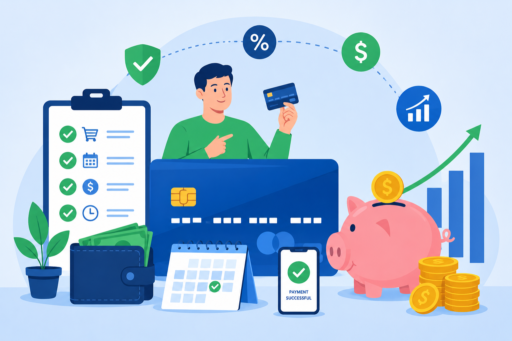
Credit cards are often viewed as dangerous financial tools that lead to debt, overspending, and financial stress. While misuse can certainly create problems, responsible credit card management can actually help people save money, improve their credit scores, earn rewards, and gain valuable financial flexibility.
Many consumers focus on finding the best credit cards but overlook something even more important: building the right habits. The truth is that even the best credit card cannot help someone who consistently overspends, misses payments, or ignores their account activity. On the other hand, people with strong credit card habits often save hundreds or even thousands of dollars every year through better financial decisions.
Developing smart credit card habits does not require advanced financial knowledge. Small daily actions can have a major impact over time. Whether you are trying to avoid interest charges, improve your credit profile, earn rewards, or simply manage money more effectively, adopting better credit card habits can significantly improve your financial future.
In this guide, we will explore the best credit card habits that save money, explain why they work, and show how you can implement them in your daily life.
Why Credit Card Habits Matter
Many people think financial success comes from major decisions, but small habits often produce the biggest long-term results.
Consider two individuals with identical incomes and the same credit card. One pays the balance in full every month, tracks spending, and avoids unnecessary purchases. The other makes only minimum payments and regularly spends beyond their budget.
After several years, the difference between these two people can be substantial. One has strong credit, lower financial stress, and more savings. The other may face high-interest debt, poor credit scores, and limited financial opportunities.
This example illustrates why building effective credit card habits is one of the most important aspects of personal finance.
Always Pay the Full Balance When Possible
One of the most valuable habits any credit card user can develop is paying the full statement balance every month.
Credit card interest rates are often significantly higher than most other forms of borrowing. Carrying a balance from month to month can quickly become expensive.
When you pay your balance in full:
- You avoid interest charges.
- You reduce financial stress.
- You maintain stronger cash flow.
- You improve long-term financial stability.
- You keep debt from accumulating.
Many people underestimate how much interest can cost over time. Even relatively small balances can generate significant expenses if left unpaid for extended periods.
Making full payments whenever possible is one of the simplest ways to save money with credit cards.
If you’re still deciding whether annual fees are worth paying, you may also find our guide on Annual Fee vs No Annual Fee Credit Cards helpful.
Create Automatic Payment Reminders
Life gets busy. Between work responsibilities, family commitments, appointments, and daily tasks, it is easy to forget a payment due date.
Late payments often result in:
- Late fees.
- Penalty interest rates.
- Credit score damage.
- Additional financial stress.
Setting automatic payment reminders helps eliminate this risk.
You can create reminders through:
- Banking apps.
- Calendar applications.
- Email alerts.
- Mobile notifications.
- Credit card account settings.
Many card issuers allow customers to receive multiple reminders before payment deadlines.
A simple reminder system can prevent costly mistakes and help maintain positive payment history.
Monitor Spending Weekly
One common reason people overspend with credit cards is that they stop paying attention to purchases after making them.
Unlike cash transactions, credit card purchases do not create an immediate feeling of money leaving your wallet. This can make spending feel easier than it actually is.
Reviewing transactions weekly helps maintain awareness.
Benefits include:
- Identifying unnecessary purchases.
- Detecting fraud early.
- Staying within budget.
- Tracking financial goals.
- Preventing surprise balances.
Even a quick five-minute review each week can improve financial control significantly.
Regular account monitoring becomes easier when you use dedicated tracking solutions. You can explore some of the Best Credit Score Tracking Tools available today.
Use Credit Cards Only for Planned Purchases
One of the most effective habits for saving money is using credit cards for planned expenses rather than impulse purchases.
Before making a purchase, ask yourself:
- Was this expense planned?
- Does it fit my budget?
- Will I pay the balance in full?
- Do I actually need this item?
Planned spending creates intentional financial decisions while reducing emotional purchases.
Consumers who follow structured spending plans often find it easier to stay within budget because every purchase serves a purpose.
This approach helps prevent debt accumulation while supporting long-term financial goals.
Keep Credit Utilization Low
Credit utilization refers to the percentage of available credit that you are currently using.
For example:
- Credit limit: $5,000
- Current balance: $1,000
- Utilization rate: 20%
Lower utilization generally benefits both financial health and credit scores.
Many experts recommend staying below 30%, while lower percentages may provide even greater benefits.
Maintaining low utilization demonstrates responsible credit management and reduces financial risk.
Simple ways to keep utilization low include:
- Paying balances early.
- Making multiple payments each month.
- Avoiding unnecessary purchases.
- Increasing credit limits responsibly.
Keeping balances manageable is one of the strongest credit card habits that save money over time.
Understanding utilization rates is critical because they directly affect your credit score. Learn more in our guide on How Credit Utilization Affects Your Score.
Review Statements Carefully Every Month
Many consumers never read their monthly statements.
Unfortunately, mistakes, unauthorized transactions, subscription charges, and billing errors can sometimes go unnoticed for months.
Reviewing statements helps you:
- Verify purchases.
- Catch fraudulent activity.
- Identify recurring subscriptions.
- Monitor spending patterns.
- Improve financial awareness.
Small charges may seem insignificant initially, but recurring expenses can quietly drain your budget over time.
A monthly statement review is a simple habit that often produces meaningful savings.
Avoid Making Only Minimum Payments
Credit card companies typically require only a small minimum payment each month.
While paying the minimum keeps the account current, it rarely helps eliminate debt efficiently.
Making only minimum payments can result in:
- Years of repayment.
- Large interest costs.
- Slower credit improvement.
- Reduced financial flexibility.
Whenever possible, pay more than the minimum amount.
Even modest additional payments can dramatically reduce interest expenses and shorten repayment periods.
Understanding this principle can save substantial amounts of money throughout your financial life.
Take Advantage of Rewards Responsibly
Rewards programs can provide excellent value when used correctly.
Depending on the card, rewards may include:
- Cash back.
- Travel points.
- Airline miles.
- Hotel benefits.
- Purchase discounts.
However, rewards only create savings if spending remains controlled.
Buying unnecessary items simply to earn rewards usually costs more than the rewards themselves.
The best strategy is to earn rewards on purchases you already planned to make.
This allows you to benefit from the program without increasing overall spending.
Use Budget Categories for Credit Card Spending
One of the smartest ways to control credit card use is assigning spending categories before the month begins.
For example:
- Groceries
- Transportation
- Utilities
- Entertainment
- Dining Out
- Household Expenses
When purchases are grouped into categories, it becomes easier to identify areas where spending may be excessive.
Many banking and budgeting apps automatically categorize transactions, making this process simple and efficient.
Over time, category tracking reveals spending patterns that might otherwise remain hidden and helps consumers make better financial decisions.
Avoid Cash Advances
Cash advances may seem convenient during emergencies, but they are usually one of the most expensive credit card features available.
Cash advances often include:
- Immediate interest charges
- Higher interest rates
- Additional transaction fees
- No grace period
Because of these costs, cash advances should generally be avoided whenever possible.
Building an emergency fund provides a safer and more affordable alternative for unexpected expenses.
Check Your Credit Report Regularly
Your credit report contains important information that affects loans, mortgages, credit approvals, and even some employment opportunities.
Reviewing your credit report regularly helps you:
- Detect errors.
- Monitor account activity.
- Identify identity theft.
- Track credit improvement.
- Verify payment history.
Credit report monitoring is an important habit because mistakes occasionally occur, and correcting them early can prevent future problems.
Financial planning becomes much easier when you understand exactly what appears on your credit profile.
You can learn more about credit reports and consumer credit rights through the Consumer Financial Protection Bureau.
Use Alerts for Large Purchases
Many credit card providers offer transaction alerts.
These notifications can be triggered whenever:
- A purchase exceeds a specific amount.
- An online transaction occurs.
- An international purchase is made.
- A payment posts to the account.
Alerts increase awareness and provide additional security.
They can also discourage impulse spending because each purchase immediately generates a reminder of the money being spent.
This simple habit often improves financial discipline.
Avoid Opening Too Many Cards at Once
Applying for several credit cards within a short period can create unnecessary financial complications.
Potential drawbacks include:
- More payment dates.
- Increased spending temptation.
- Hard credit inquiries.
- Greater account management complexity.
While having multiple credit cards can be beneficial in some situations, quality management is more important than quantity.
A small number of well-managed accounts is often better than numerous accounts that receive little attention.
Use Promotional Offers Carefully
Many credit cards offer promotional incentives such as:
- Introductory cash back.
- Bonus points.
- Zero-interest balance transfers.
- Welcome bonuses.
These promotions can save money when used responsibly.
However, they should never encourage unnecessary spending.
Before pursuing a bonus offer, calculate:
- Required spending.
- Potential rewards.
- Associated fees.
- Long-term value.
A disciplined approach ensures promotional offers remain beneficial rather than costly.
Keep Older Accounts Open When Appropriate
Many people close credit cards they no longer use.
While this may seem logical, older accounts often contribute positively to credit history.
Closing an account may:
- Reduce available credit.
- Increase utilization rates.
- Shorten average account age.
If the card has no annual fee and does not create management difficulties, keeping it open may support long-term credit health.
Every situation is unique, but understanding the potential impact before closing an account is important.
Build an Emergency Fund Alongside Credit Usage
Credit cards should not become the primary solution for emergencies.
An emergency fund provides financial protection without generating interest charges.
Benefits include:
- Reduced reliance on debt.
- Better financial stability.
- Lower stress levels.
- Greater flexibility during unexpected situations.
Even small emergency savings can make a meaningful difference.
Many financial problems become easier to manage when cash reserves are available.
Review Recurring Subscriptions Frequently
Subscription services have become a major part of modern spending.
Common examples include:
- Streaming platforms.
- Software subscriptions.
- Fitness memberships.
- Cloud storage services.
- Premium mobile applications.
Because subscriptions renew automatically, many consumers continue paying for services they rarely use.
Reviewing recurring charges every few months can uncover easy savings opportunities.
Cancelling unnecessary subscriptions often frees up money without reducing overall quality of life.
Learn Your Card Benefits
Many cardholders never fully explore the benefits included with their accounts.
Depending on the card, benefits may include:
- Purchase protection.
- Extended warranties.
- Fraud protection.
- Travel insurance.
- Rental car coverage.
- Cell phone protection.
Understanding these features can help avoid additional expenses and increase the overall value of the card.
A few minutes spent reviewing card benefits can potentially save significant money in the future.
Track Financial Progress Monthly
Financial improvement becomes easier when progress is measured.
Each month, review:
- Credit card balances.
- Payment history.
- Credit utilization.
- Savings growth.
- Spending patterns.
- Financial goals.
Tracking progress creates accountability and helps maintain motivation.
Small improvements may not seem significant from day to day, but the best credit card habits that save money can produce substantial results over time when practiced consistently.
Avoid Emotional Spending
Emotional spending is one of the most common reasons people accumulate unnecessary credit card debt.
Purchases made because of:
- Stress
- Boredom
- Anxiety
- Excitement
- Social pressure
often provide only temporary satisfaction.
Before making a purchase, consider waiting 24 hours.
This short delay frequently reduces impulse buying and encourages more rational financial decisions.
Developing awareness around emotional spending can lead to considerable savings throughout the year.
Use Credit as a Tool, Not Extra Income
One of the healthiest financial mindsets is viewing credit cards as payment tools rather than sources of additional money.
Your credit limit does not represent extra income.
Instead, it represents borrowing capacity that must eventually be repaid.
People who consistently treat credit cards as financial tools rather than spending opportunities generally experience:
- Lower debt levels.
- Better credit scores.
- Higher savings rates.
- Greater financial confidence.
This mindset shift is often the foundation of long-term financial success.
Create a Long-Term Credit Strategy
Successful credit management rarely happens by accident.
A long-term strategy might include goals such as:
- Maintaining perfect payment history.
- Keeping utilization below 30%.
- Building an emergency fund.
- Eliminating high-interest debt.
- Improving credit scores.
- Maximizing rewards responsibly.
Having clear objectives helps guide daily financial decisions.
Over time, consistent habits usually produce better results than short-term efforts.
Building strong habits takes time, but avoiding common mistakes can accelerate your progress. Our article on How to Avoid Common Credit Mistakes covers additional strategies that can help.
Final Thoughts
Developing the best credit card habits that save money is not about finding shortcuts or complicated financial tricks. Instead, it is about building simple behaviors that consistently support your financial goals.
Paying balances in full, monitoring spending, avoiding unnecessary debt, tracking progress, and using rewards responsibly can all contribute to stronger financial health. While each habit may seem small on its own, their combined effect can be substantial over months and years.
The most successful credit card users understand that financial success comes from consistency. By adopting these habits today, you can save money, improve your credit profile, reduce stress, and create a stronger foundation for future financial opportunities.