
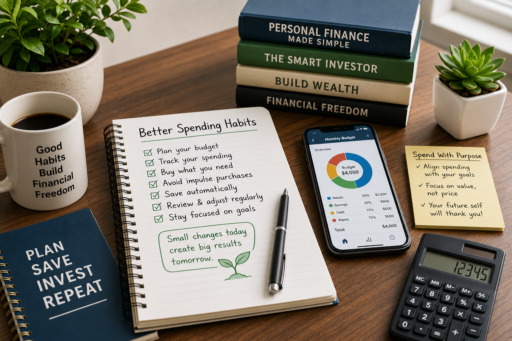
Healthy spending habits are one of the strongest foundations of long-term financial success. While increasing your income can improve your financial situation, the way you manage your everyday spending often has an even greater impact on your ability to save, invest, and achieve your goals. Many people struggle financially not because they earn too little, but because small, repeated spending decisions gradually consume a large portion of their income.
Learning how to create better spending habits does not mean eliminating everything you enjoy or living an extremely restrictive lifestyle. Instead, it means becoming intentional with your money, understanding your priorities, and making purchases that truly add value to your life.
Every financial decision represents a choice between immediate satisfaction and future opportunity. Developing better spending habits allows you to enjoy today’s income while also preparing for tomorrow’s financial needs.
In this guide, you’ll learn practical strategies for improving your spending behavior, reducing unnecessary purchases, and creating habits that support lasting financial stability.
Understand Your Current Spending Habits
Before changing your financial behavior, you need to understand your current habits.
Spend a few weeks reviewing where your money goes.
Divide expenses into categories such as:
- Housing
- Groceries
- Transportation
- Dining out
- Entertainment
- Shopping
- Subscriptions
- Savings
Many people discover spending patterns they never noticed before.
Learning how to create better spending habits always begins with awareness.
Give Every Dollar a Purpose
Money is easier to manage when every dollar has a job.
Instead of spending whatever remains after paying bills, create a simple monthly plan that includes:
- Essential expenses.
- Savings.
- Investing.
- Debt payments.
- Personal spending.
- Entertainment.
Planning ahead reduces unnecessary financial decisions throughout the month.
Separate Needs From Wants
One of the simplest ways to improve spending habits is learning the difference between necessities and optional purchases.
Needs often include:
- Housing.
- Utilities.
- Groceries.
- Healthcare.
- Transportation.
Wants may include:
- Luxury items.
- Frequent takeout.
- Premium subscriptions.
- Impulse shopping.
Recognizing the difference helps you make more intentional financial choices.
Pause Before Buying
Impulse purchases often disappear from memory within days, but the money spent is gone permanently.
Before making a non-essential purchase, ask yourself:
- Do I really need this?
- Will I still want it next week?
- Does this purchase support my goals?
- Is there a more affordable alternative?
Waiting 24 to 48 hours before buying non-essential items often reduces emotional spending.
Build Spending Around Your Goals
Your financial goals should influence your daily decisions.
Examples include:
- Building an emergency fund.
- Paying off debt.
- Saving for a home.
- Investing for retirement.
- Starting a business.
When your goals remain visible, unnecessary spending becomes easier to avoid because every dollar has a greater purpose.
Track Small Purchases
Large expenses receive most of our attention.
Small purchases usually do not.
Examples include:
- Coffee.
- Snacks.
- Convenience store visits.
- Mobile app purchases.
- Delivery fees.
Although individually inexpensive, these purchases can become surprisingly costly over an entire year.
Tracking them helps improve financial awareness.
Avoid Emotional Spending
Many purchases are driven by emotions rather than genuine needs.
Common triggers include:
- Stress.
- Boredom.
- Frustration.
- Excitement.
- Social pressure.
Recognizing emotional spending allows you to replace shopping with healthier responses like exercising, reading, walking, or talking with friends.
Use Shopping Lists
Whether shopping online or in a store, begin with a list.
A shopping list helps you:
- Stay focused.
- Avoid impulse purchases.
- Compare prices.
- Reduce unnecessary spending.
Planning purchases before entering a store often saves both money and time.
Automate Saving First
One effective spending habit is saving before spending.
Instead of saving whatever remains at the end of the month, automatically transfer part of your income into savings or investments immediately after getting paid.
This habit helps ensure your long-term goals receive consistent attention.
Appreciate What You Already Own
Constantly buying new things often creates temporary satisfaction.
Instead, take inventory of what you already have.
You may discover:
- Clothes you rarely wear.
- Books you haven’t read.
- Kitchen equipment you forgot.
- Hobbies you’ve neglected.
Appreciating existing possessions naturally reduces unnecessary purchases.
Learn From Your Spending History
Review your previous months of spending.
Ask yourself:
- Which purchases improved my life?
- Which expenses do I regret?
- What categories grew too quickly?
- Where could I easily reduce spending?
Looking backward helps you make smarter decisions moving forward.
Many readers improve this process by applying the lessons from How to Stop Wasting Money on Small Expenses, making it easier to identify habits that quietly reduce long-term financial progress.
Focus on Consistency
Improving spending habits is not about making perfect decisions every day.
It is about making slightly better decisions consistently.
Small improvements repeated month after month often produce remarkable financial results over time.
Many financially successful individuals strengthen these habits alongside Best Financial Decisions for Long-Term Stability, creating a balanced financial strategy built on discipline, thoughtful spending, and long-term planning.
Create Spending Rules That Work for You
Simple personal rules can make everyday financial decisions much easier.
Examples include:
- Waiting 48 hours before making large purchases.
- Avoiding shopping when feeling stressed.
- Paying with cash for discretionary spending.
- Limiting restaurant meals to a planned number each month.
- Comparing prices before buying expensive items.
These rules reduce impulsive decisions while encouraging more thoughtful spending.
Learning how to create better spending habits becomes easier when your decisions are guided by consistent principles instead of temporary emotions.
Review Your Budget Every Month
Your spending habits should evolve as your financial situation changes.
Each month, review:
- Income.
- Essential expenses.
- Savings.
- Investments.
- Personal spending.
- Financial goals.
Regular reviews help you identify unnecessary expenses while keeping your financial plan realistic.
Spend on What Truly Adds Value
Not every expense should be eliminated.
Instead, focus your money on purchases that genuinely improve your quality of life.
Examples might include:
- Education.
- Health.
- Family experiences.
- Professional development.
- Meaningful hobbies.
Reducing low-value spending creates more room for expenses that align with your priorities.
Avoid Lifestyle Inflation
As income increases, many people gradually increase their spending without realizing it.
This is known as lifestyle inflation.
Instead of spending every raise, consider using additional income to:
- Increase savings.
- Invest more.
- Pay off debt faster.
- Build your emergency fund.
Maintaining reasonable spending habits allows income growth to strengthen your long-term financial position.
Limit Exposure to Marketing
Advertising is designed to encourage spending.
Reduce unnecessary temptation by:
- Unsubscribing from promotional emails.
- Disabling shopping notifications.
- Avoiding recreational online browsing.
- Deleting unused shopping apps.
Creating distance from constant marketing messages often makes controlling spending much easier.
Talk About Money Openly
If you share finances with a partner or family, regular conversations can improve spending habits.
Discuss topics such as:
- Monthly budgets.
- Financial priorities.
- Upcoming expenses.
- Saving goals.
- Large purchases.
Working together encourages accountability while reducing financial misunderstandings.
Reward Progress Responsibly
Improving spending habits should not feel like constant deprivation.
Celebrate financial milestones with affordable rewards that fit your budget.
Examples include:
- A favorite homemade meal.
- A low-cost family outing.
- A planned purchase you’ve been saving for.
Balanced rewards help maintain motivation without undermining your financial progress.
Common Spending Habit Mistakes
Many people unintentionally make spending decisions that slow long-term financial progress.
Examples include:
- Shopping without a plan.
- Ignoring small purchases.
- Emotional spending.
- Keeping unused subscriptions.
- Spending every salary increase.
- Never reviewing expenses.
Recognizing these patterns is the first step toward replacing them with healthier financial habits.
Continue Improving Your Financial Discipline
Better spending habits develop through continuous improvement.
Regularly ask yourself:
- Which purchases brought lasting value?
- Which expenses could have been avoided?
- Am I spending according to my priorities?
- What habit should I improve next month?
Small adjustments often create meaningful financial improvements over time.
Many readers continue strengthening these habits alongside How to Improve Your Relationship With Money, developing a healthier financial mindset while making more intentional spending decisions.
Focus on Progress, Not Restriction
Creating better spending habits is not about saying “no” to everything.
It is about saying “yes” to the things that matter most.
Intentional spending allows you to enjoy your income while continuing to build savings, investments, and long-term financial security.
A balanced approach is far easier to maintain than extreme budgeting.
Final Thoughts
Learning how to create better spending habits is one of the most practical ways to improve your financial future. By becoming more aware of your spending, planning purchases carefully, avoiding emotional decisions, and reviewing your finances regularly, you can make better use of every dollar you earn.
Remember that financial success is built through consistent daily choices rather than occasional dramatic changes. Every thoughtful purchase, every avoided impulse buy, and every dollar saved contributes to stronger long-term financial stability.
Whether your goal is paying off debt, increasing your investments, building an emergency fund, or simply gaining greater control over your finances, healthier spending habits will help you move steadily toward those objectives.
Many individuals also strengthen these habits by combining them with How to Build Financial Literacy From Scratch and Best Ways to Develop a Wealth Mindset, creating a complete financial strategy based on awareness, discipline, and long-term thinking.
For additional guidance on budgeting, saving, and improving everyday money management, you can naturally link to Consumer Financial Protection Bureau using the anchor text smart money management resources in the section discussing continuous financial improvement.